

Aceh, in northern Sumatra, is one of Indonesia’s most remarkable coffee-producing regions. Most farms are around one hectare in size, with approximately 95% of producers being smallholders and women making up around 80% of coffee producers in northern Sumatra.
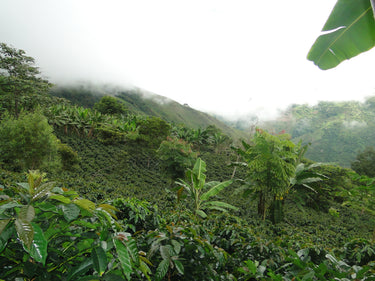
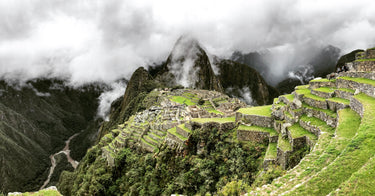
The landscape is incredibly diverse, from beaches and swampy lowlands to the volcanic Barisan Mountains that dominate much of the interior. Coffee is grown on these mountains among dense rainforest, creating ideal conditions for cultivation.
Sumatran coffees are famous for their earthy, savoury and herbaceous flavours, largely due to the traditional wet-hulling process known as Giling Basah. Farmers typically depulp and partially dry the coffee before selling it. The parchment is then removed while the beans are still wet, helping them dry more quickly in Sumatra’s humid climate and contributing to their distinctive flavour profile and greenish-blue appearance.
This coffee comes from the Asman Gayo Mill in the Pegasing district of Takengon, within Aceh’s renowned Gayo coffee region. Run by Cup of Excellence winner Asman Arianto, the mill works with smallholder producers from the Pantan Musara villages.
Several years ago, many of these producers were displaced by a natural disaster and had to rebuild their homes and farms. Today, coffee is a major focus for their communities. Unlike many Sumatran mills, Asman Gayo produces a range of processing styles, including washed and natural coffees. Because farms are so small, coffee from multiple producers is often combined into larger lots. Microlots offer greater traceability, typically represent higher-quality coffees and can command higher prices for producers.
Natural coffees are typically processed on the day of harvest. Cherries are sorted to remove underripe or damaged fruit and debris, often using a float tank, where lower-quality cherries float and are removed while denser, higher-quality cherries sink. The cherries are then spread across raised drying beds, tables, tarps or patios and regularly turned to ensure even drying. This process can take around 30–40 days, depending on weather conditions, with careful attention needed to develop the coffee’s distinctive flavours while maintaining quality.
- 🌟 New release
- ✨ Rare Release


Indonesian Asman Gayo Nº 369
From £12.83
Tastes Like:
Pomegranate, Melon, Amaretto
Roast:
Aceh, in northern Sumatra, is a renowned coffee-growing region where most coffee is produced by smallholder farmers. Grown in the volcanic Gayo Highlands, this Read more
- Free delivery on orders over £25
- Dispatched next working day 📆
- Roasted fresh to every order 🔥
- 100% recyclable packaging 🟢
Delivery information
Roasted & dispatched the next working day with Royal Mail Tracked service.
Order Value
£0.00 to £9.95 = £2.95
£9.96 to £20.00 = £3.75
£20.01 - £24.99 = £3.95
£25+ = Free UK Shipping
Join our coffee club
And get the newest coffees delivered straight to you every month!
Indonesia
Process
Natural
Producers
Asman Arianto
Grown
Aceh, Sumatra
Altitude
1,300-1,650 masl
Varietals
Ateng, Bor Bor, Catimor & timor
Best-Sellers
best selling Coffee


- 🔥 Best Seller
- ✅ Subscribable
Signature Blend Nº 1
From £7.16


- 🔥 Best Seller
- ✅ Subscribable
Fudge Blend Nº 5
From £7.41


- 🔥 Best Seller
- ✅ Subscribable
Chatswood Blend Nº 6
From £7.19


- ✅ Subscribable
Brazil Guima Estate Nº 303
From £7.47


- ✅ Subscribable
Signature Blend Decaf N° 1D
From £8.96