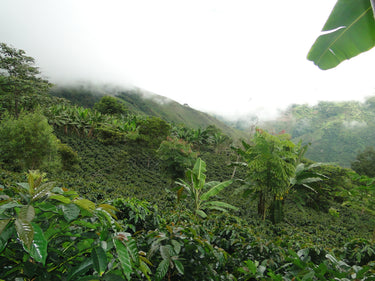


The Uraga washing station is a high-altitude coffee processing hub in the Uraga district of Ethiopia’s Guji Zone, in the Oromia Region. Guji sits in the southern Ethiopian highlands and is known for its high elevations, forested landscapes and cool, distinctive microclimates. These conditions, along with the local coffee varieties and traditional farming practices, help produce some really distinctive coffees.
The washing station works with smallholder farmers from the surrounding area, receiving their freshly picked coffee cherries for processing. In recent years, producers and washing stations in Guji have been experimenting with different processing methods to bring out new flavours and add value to the coffee they produce.
Guji is now recognised as its own distinct coffee-growing origin, although its coffees were historically grouped within the wider Sidamo area. The region has developed a strong reputation for specialty coffee thanks in part to its varied microclimates, high elevations and traditional farming methods.
Most coffee farms in the area are small family-run plots, and farming remains relatively traditional. Farmers commonly intercrop their coffee with other food crops, making the most of the available land while also producing food for their families. Much of the work is done by hand, usually by the farmers and their families.
Many farms are also described as being “organic by default”, meaning farmers generally use very little, if any, synthetic fertiliser or pesticides. This doesn't necessarily mean the farms are organically certified, but it does reflect the low-input nature of much of the farming in the region.
The Uraga washing station works with farmers to improve the quality of the coffee arriving at the station. Training focuses particularly on harvesting and transporting the cherries, helping farmers understand the importance of picking ripe fruit and getting it to the station in good condition.
For this particular process, farmers selectively handpick ripe cherries before delivering them to the washing station. Once they arrive, the cherries are carefully inspected, with the ripest fruit selected for the anaerobic fermentation process.
The selected cherries are packed into sealed GrainPro bags, creating an oxygen-limited environment where fermentation can take place. They are left to ferment for around 18–24 hours. During this time, naturally occurring microorganisms break down compounds in the coffee and can influence the flavours that develop in the finished cup.
Once fermentation is complete, the cherries are removed from the bags and spread out to dry in the sun on raised African drying beds. Workers regularly turn the cherries to help them dry evenly and prevent problems such as mould or unwanted fermentation.
The drying process generally takes around two to three weeks, although this can vary depending on the weather. Once the cherries have reached the desired moisture level, they can be prepared for storage and eventually milling and export.
The result is a carefully controlled process that combines traditional Ethiopian coffee farming with more experimental processing techniques, helping to showcase some of the distinctive characteristics of coffee from Guji.
- 🌟 New release
- ✨ Rare Release


Ethiopia Uraga Natural Anaerobic G1 Nº 388
From £13.54
Tastes Like:
Green Apple, Bubblegum & Sugar Syrup
Roast:
Ethiopia is known for producing some of the world’s best coffees but this is a first for us: an anaerobically processed lot. Taking the Read more
- Free delivery on orders over £25
- Dispatched next working day 📆
- Roasted fresh to every order 🔥
- 100% recyclable packaging 🟢
Delivery information
Roasted & dispatched the next working day with Royal Mail Tracked service.
Order Value
£0.00 to £9.95 = £2.95
£9.96 to £20.00 = £3.75
£20.01 - £24.99 = £3.95
£25+ = Free UK Shipping
Join our coffee club
And get the newest coffees delivered straight to you every month!
Ethiopia
Process
Anaerobic Natural
Producers
Local Smallholders
Grown
Uraga Washing Station, Guji
Altitude
1,925-1,945 masl
Varietals
JARC varieties, Local Landraces
Ash says...
A fruity, crisp flavour with complex florals and sparkling acidity.
Best-Sellers
best selling Coffee


- 🔥 Best Seller
- ✅ Subscribable
Signature Blend Nº 1
From £7.16


- 🔥 Best Seller
- ✅ Subscribable
Fudge Blend Nº 5
From £7.41


- 🔥 Best Seller
- ✅ Subscribable
Chatswood Blend Nº 6
From £7.19


- ✅ Subscribable
Signature Blend Decaf N° 1D
From £8.96


- ✅ Subscribable
Brazil Guima Estate Nº 303
From £7.47 Sold Out