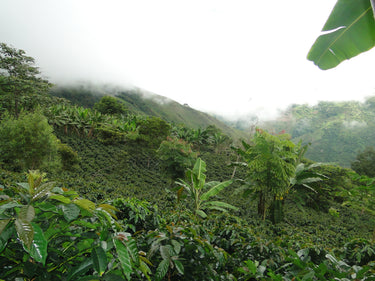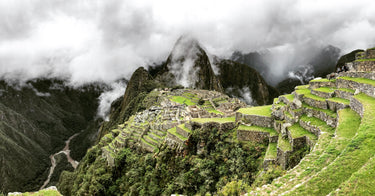


Sidama is located in south central Ethiopia, in the Great Rift Valley. The region benefits from high altitudes, rich volcanic soils, and several large freshwater lakes, creating ideal conditions for growing coffee. The highlands are covered with lush, carefully managed agroforestry and wild forest systems, where coffee is grown under the shade of native canopy trees rather than in direct sunlight. The region is home to the Sidama people, an indigenous ethnic group with a long history of coffee cultivation.
Sidama is famous for its lakes, especially Lake Hawassa in the northwest and Lake Abaya in the southwest. Lake Abaya is one of the largest freshwater lakes in the Rift Valley and is fed by rivers such as the Gidabo and Bilate. These lakes provide plenty of drinking water and irrigation for farming, helping make Sidama one of the most densely populated areas in Ethiopia. Because the region has a wide range of microclimates and soil types, coffee can vary significantly in flavour from one town to another.
This coffee comes from more than 500 small family farms and is processed at the Gara Agena station. In Sidama, coffee is much more than a cash crop; it is a way of life. Families have been growing coffee for generations, using traditional methods such as hand picking only the ripe cherries during harvest. Coffee is also an important part of social life. It is shared during gatherings and traditional ceremonies as a symbol of friendship, respect, and hospitality.
After harvesting, farmers take their freshly picked coffee cherries to local collection points or processing stations. The cherries are first sorted to ensure that only the ripest fruit is selected. Any lower quality cherries are separated and used for lower grade lots. This sorting is usually done using flotation tanks, where ripe cherries sink while unripe or defective cherries float and are removed. The amount of ripe coffee delivered is carefully recorded, as this determines how farmers are paid.
The selected cherries are then moved to raised drying beds, where they are spread out evenly and turned regularly. This is a crucial stage of the process, as it allows the cherries to dry consistently and helps prevent spoilage or unwanted over fermentation. Once the cherries reach a moisture content of around 11%, they are collected and transferred to a dry mill, where they are prepared for export.
- 🌟 New release
- ✨ Rare Release


Ethiopia Gara Agena Nº 382
From £15.32
Tastes Like:
Bergamot, Nectarine, Brown Sugar
Roast:
There’s a good reason Ethiopian coffees are so sought after. Naturals tend to be clean, crisp and fruit forward in nature, and this lot Read more
- Free delivery on orders over £25
- Dispatched next working day 📆
- Roasted fresh to every order 🔥
- 100% recyclable packaging 🟢
Delivery information
Roasted & dispatched the next working day with Royal Mail Tracked service.
Order Value
£0.00 to £9.95 = £2.95
£9.96 to £20.00 = £3.75
£20.01 - £24.99 = £3.95
£25+ = Free UK Shipping
Join our coffee club
And get the newest coffees delivered straight to you every month!
Ethiopia
Process
Natural
Producers
500 small holders
Grown
Sidama
Altitude
2,300 masl
Varietals
Heirloom
Best-Sellers
best selling Coffee


- 🔥 Best Seller
- ✅ Subscribable
Signature Blend Nº 1
From £7.16


- 🔥 Best Seller
- ✅ Subscribable
Fudge Blend Nº 5
From £7.41


- 🔥 Best Seller
- ✅ Subscribable
Chatswood Blend Nº 6
From £7.19


- ✅ Subscribable
Brazil Guima Estate Nº 303
From £7.47


- ✅ Subscribable
Signature Blend Decaf N° 1D
From £8.96