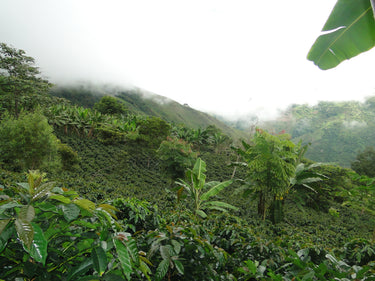


Sebastian Ramirez manages the El Placer farm, which is situated in the Quindío district of Colombia, just outside the small town of Calarcá. Operating at high altitudes (1,700–2,000+ MASL) in a tropical mountain climate, the farm benefits from cool, stable temperatures combined with volcanic soils. These conditions create an ideal environment for slow cherry ripening, producing high-quality, sweet, and complex coffees.
Sebastian Ramirez has been producing coffee for almost two decades and is the fourth generation of his family to take control of the farm. When his opportunity came, he used it to radically reshape the family’s business model.
Before taking the reins, he enrolled in a three year coffee education programme at SENA, one of Colombia’s public educational institutions, well known for delivering high quality training. The farm previously sold its coffee to local cooperatives at prices dictated by the market. Reflecting on this, he said: “Too much work for little reward.” From that point on, he decided to focus on tasting his coffee: “I knew this was the way to go. Many coffee producers don’t know how their coffee tastes and end up selling it at low prices for this reason. If you know how your coffee tastes, you are more likely to connect with people looking for specific flavours. On top of that, you can have more control over your pricing. It is a win-win.”
As well as focusing on the sensory side of coffee, he used this time to gain as much knowledge as possible about farming, processing techniques, and brewing methods. He now takes a community focused approach to his work, offering free consultancy to coffee producers he buys from, encouraging them to produce the best coffee they can. Over the years, El Placer has been recognised with a wide range of top awards across the coffee industry, demonstrating his dedication to pushing coffee to new heights.
The processing of this exquisite coffee begins with the precise harvesting of the cherries, targeting a composition of 95% ripe and 5% semi-ripe fruit. Once sorted and inspected, the whole cherries are placed in a 200L sealed tank for 100 hours.
The anaerobic fermentation is maintained at a steady 18°C, with controlled CO₂ injection to ensure consistency. After this stage, the cherries are pulped and undergo a second fermentation for a further 100 hours. This time with the addition of mosto lactic acid, and hops to enhance the coffee’s flavour profile. Fermentation parameters are carefully monitored throughout to ensure microbial stability and consistency.
Following fermentation, the coffee undergoes a two phase drying process. In the first phase, the beans are dried for 20 days in a marquesina (a type of greenhouse) at 40°C and 25% relative humidity. The second phase lasts an additional 5 days in a controlled environment. The entire drying process is slow and meticulously managed, as this critical stage plays a significant role in determining the final flavour profile and overall quality of the coffee.
Once dried, the beans are stored in GrainPro sacks for 15 days to stabilise. The final steps include hulling and quality sorting, before being packed into 24 kg vacuum sealed boxes to preserve freshness and cup stability during export.
- ⚡️ Limited Edition
- 💎 Microlot
- 🌟 New release


#0004 Sebastián Ramírez Pink Bourbon Session IPA 150g
£22.09
Tastes Like:
Mango, Hops & Candied Lime
Roast:
We’re back to El Placer for another lot from the show-stopper, Sebastian Ramirez! This time, we’ve picked a lot that’s reminiscent of a craft Read more
- Free delivery on orders over £25
- Dispatched next working day 📆
- Roasted fresh to every order 🔥
- 100% recyclable packaging 🟢
Delivery information
Roasted & dispatched the next working day with Royal Mail Tracked service.
Order Value
£0.00 to £9.95 = £2.95
£9.96 to £20.00 = £3.75
£20.01 - £24.99 = £3.95
£25+ = Free UK Shipping
Join our coffee club
And get the newest coffees delivered straight to you every month!
Colombia
Process
Session IPA Honey
Producers
Sebastián Ramírez
Grown
Quindío, Colombia
Altitude
1744m
Varietals
Pink Bourbon
Ash says...
Bold, citrusy and packed with tropical fruit and herbal aroma
Best-Sellers
best selling Coffee


- 🔥 Best Seller
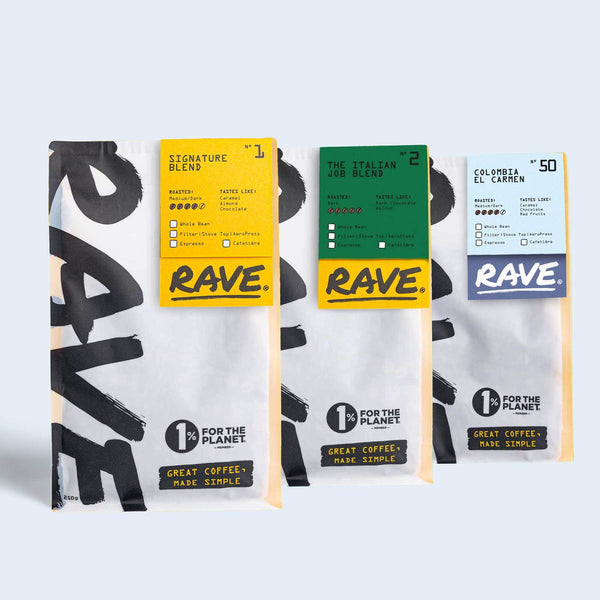
Signature Blend Nº 1
From £6.98


- 🔥 Best Seller
Fudge Blend Nº 5
From £7.14


- 🔥 Best Seller
The Italian Job Blend Nº 2
From £6.61


- 🔥 Best Seller
Strong AF Blend Nº 666
From £7.68


- 🔥 Best Seller
Chatswood Blend Nº 6
From £7.14


- 🔥 Best Seller
Swiss Water Decaf Blend Nº 11
From £8.06


- 🔥 Best Seller
Mocha Java Blend Nº 3
From £7.40


- ✅ Subscribable
Brazil Guima Estate Nº 303
From £7.47
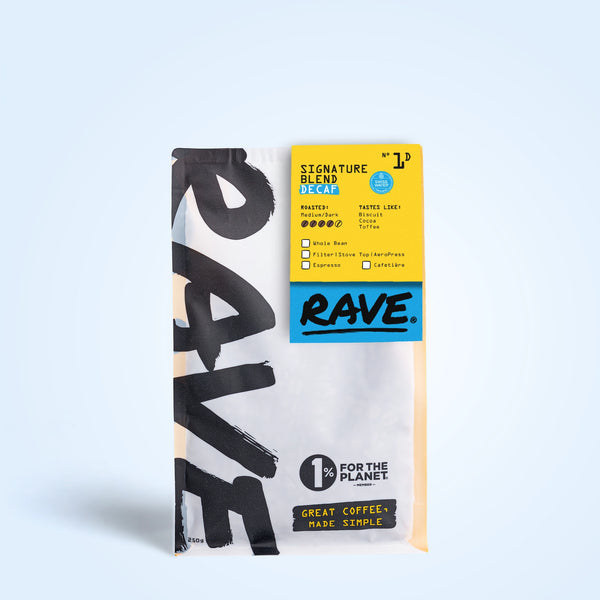

Signature Blend Decaf N° 1D
From £8.96